Astronomy at the Beach
Michigan’s Largest Free Astronomy Event
September 18 & 19th – our 30th year!
Island Lake State Park!
Event is FREE! No registration required. Parking requires Recreation Passport or park entry fee (see below).
Keynote Speaker:
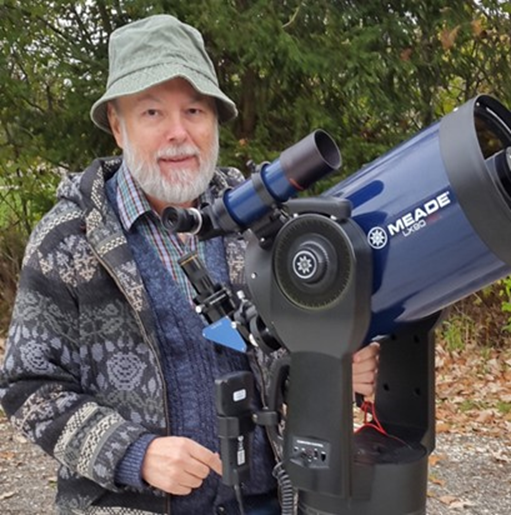
Dr. Dale Partin
Dale Partin has a B.S. and M.S. in physics and a Ph.D. in electrical engineering. He is a fellow of the American Physical Society and a member of Sigma Xi. He teaches astronomy at Macomb Community College. He served in several officer positions in the Warren Astronomical Society.
This year’s theme is: Artemis – returning to the Moon!
The Artemis II mission, which successfully concluded on April 10, 2026, was the first crewed flight of NASA’s Artemis program, sending four astronauts on a 10-day journey around the Moon. This historic test flight validated the Orion spacecraft’s life-support systems and broke the record for the farthest distance humans have ever traveled from Earth, reaching 252,756 miles away.


Schedule
Friday Sept. 18
4:00 – 6:00 PM: Solar Observing with Astronomers – Telescope field
6:00 – 6:45 PM: Tour of the Solar System, and Beyond! – Presentation by Bob Trembley
7:00 – 7:30 PM: How to Make a Comet – Michigan Science Center
7:45 – 8:45 PM: Life in the Universe – Keynote Speaker Dale Partin
8:30 –11:30 PM: Night Sky Observing with Astronomers – Telescope field
9:00 – 9:50 PM: Aurora in the Solar System – Presentation by Lavanya Kannan
10:30 – 11:30 PM: Laser Tour of the Night Sky – Telescope field
Saturday Sept. 19
4:00 – 6:00 PM: Solar Observing with Astronomers – Telescope field
6:00 – 6:45 PM: Tour of the Solar System, and Beyond! – Presentation by Bob Trembley
7:00 – 7:30 PM: How to Make a Comet – Michigan Science Center
7:45 – 8:45 PM: Life in the Universe – Keynote Speaker Dale Partin
8:30 –11:30 PM: Night Sky Observing with Astronomers – Telescope field
9:00 – 9:50 PM: Aurora in the Solar System – Presentation by Lavanya Kannan
10:30 – 11:30 PM: Laser Tour of the Night Sky – Telescope field
Raffle

Raffle Grand Prize this year is a DWARF mini Smart Telescope!
We’re thrilled to once again have Dwarflab as a sponsor for our raffle!
DWARF mini is equipped with a precision astronomical camera, an automatic tracking mount, and an intelligent control system—all integrated into a body weighing only 840 grams!
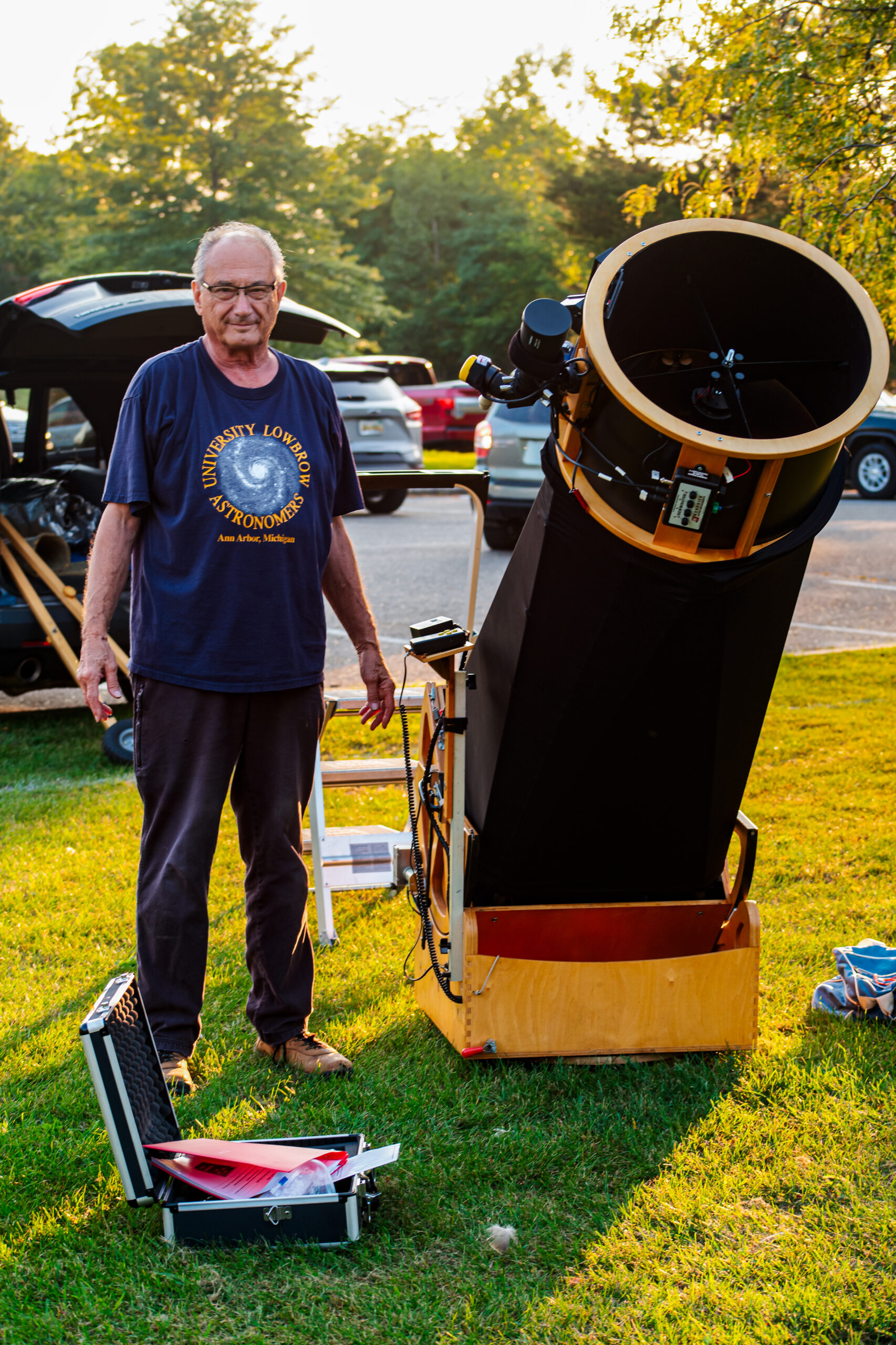
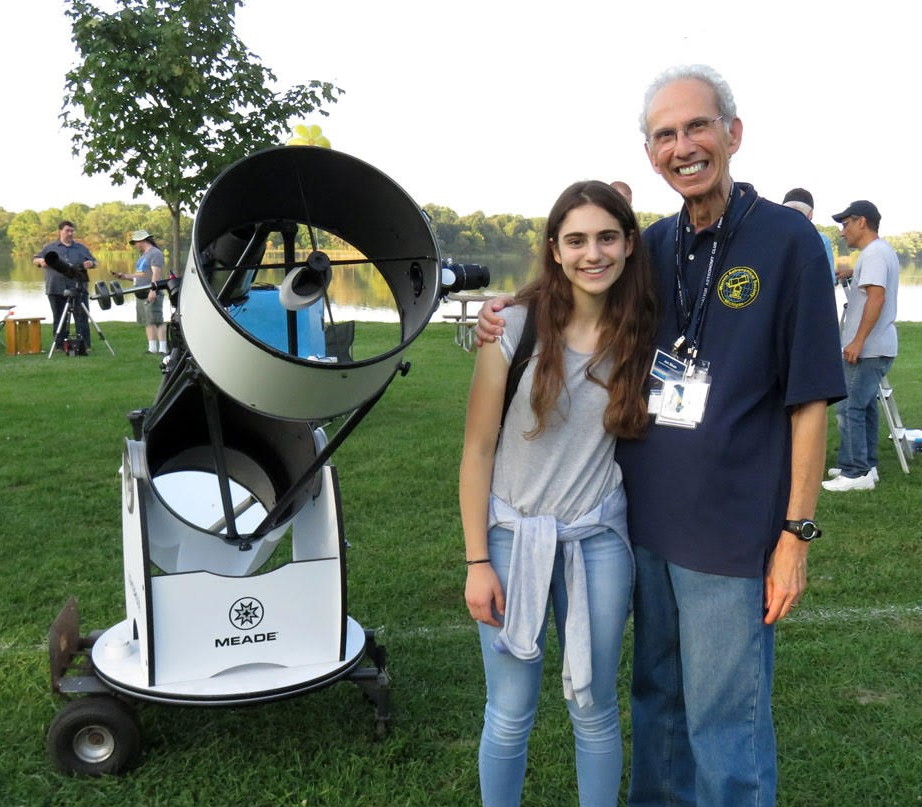
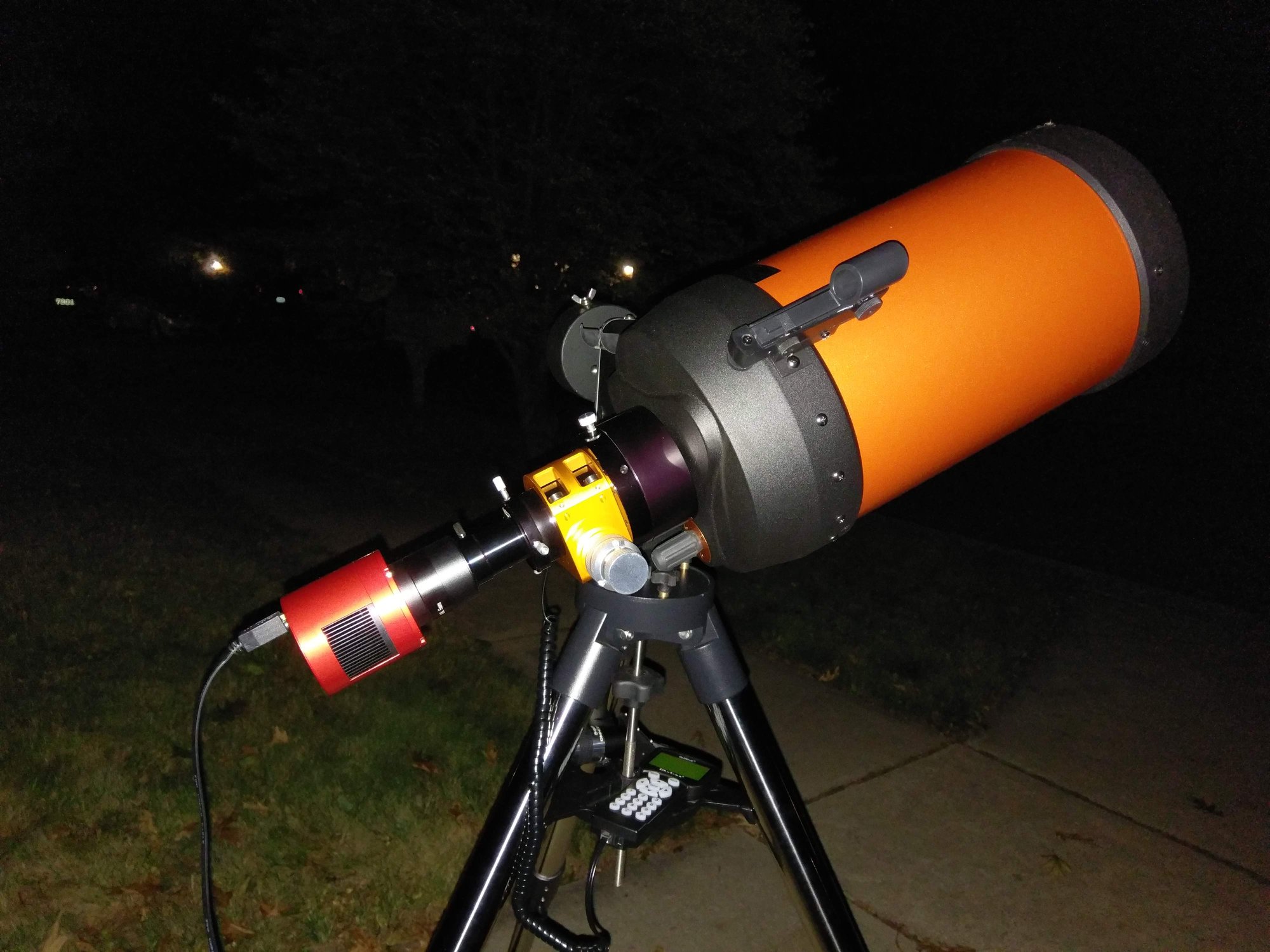
Lots of Telescopes on the field
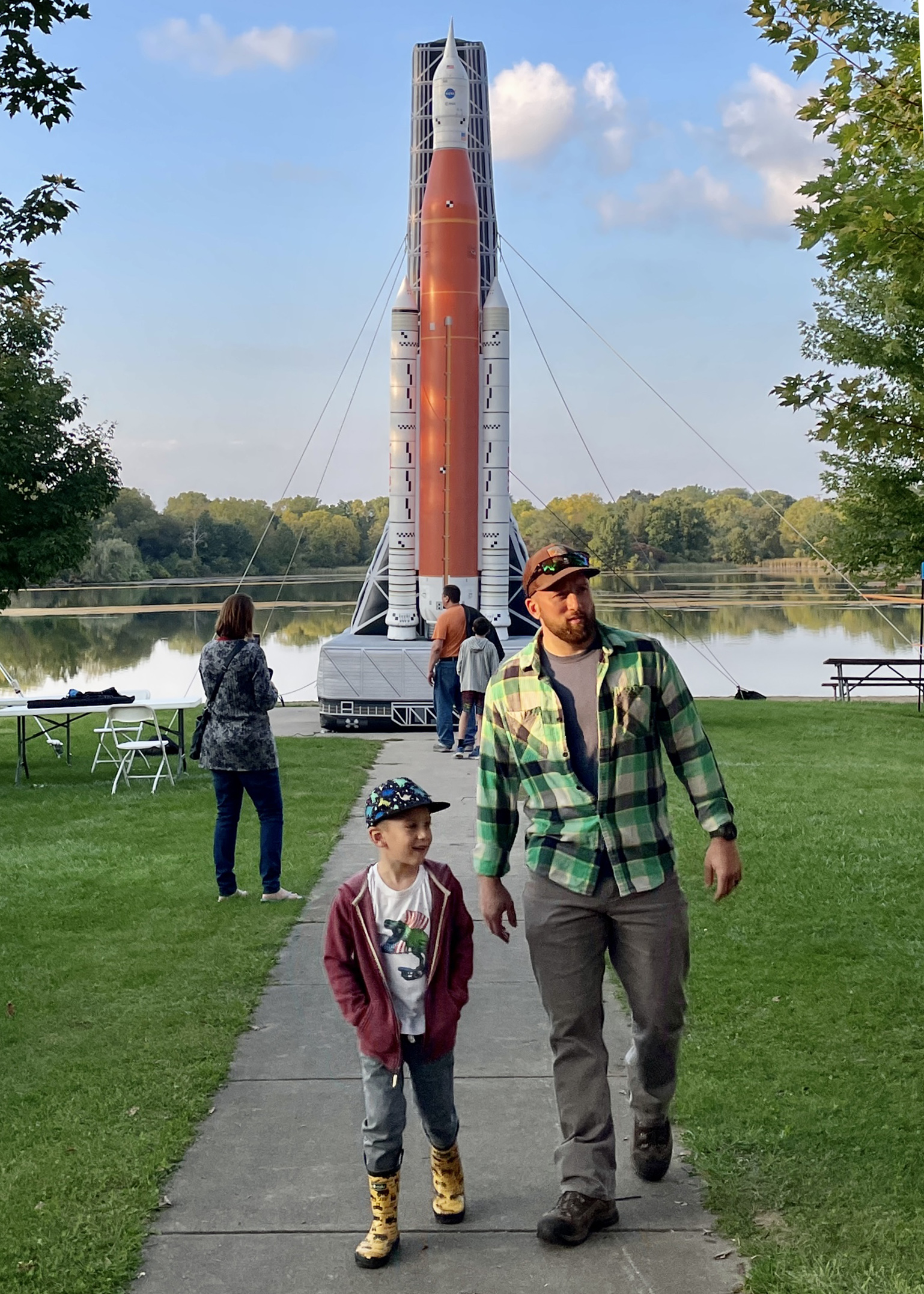
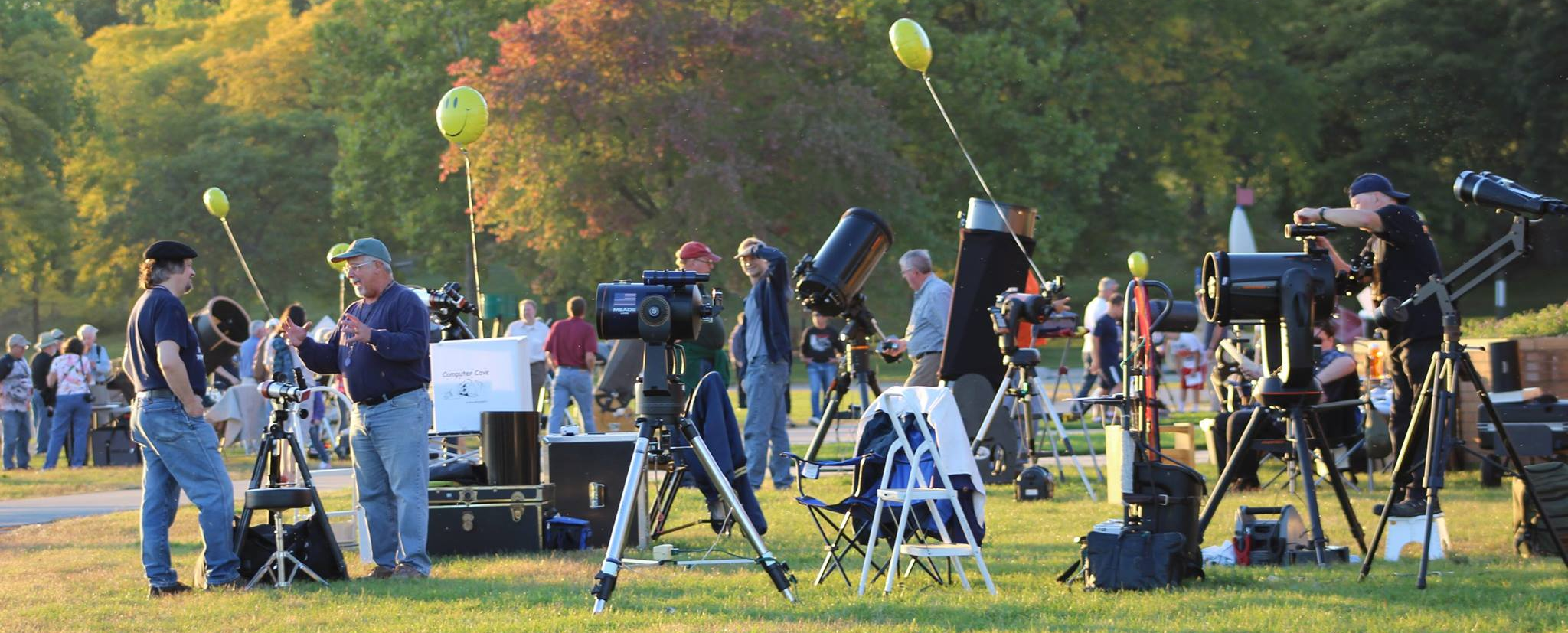
Astronomers from across southeastern Michigan will set up solar telescopes during the afternoon, and telescopes of all shapes and sizes during the evening for you to observe numerous night sky objects! In 2023, we had reps from NASA Glenn who brought a giant inflatable Artemis rocket.

Astronomy Club Tables
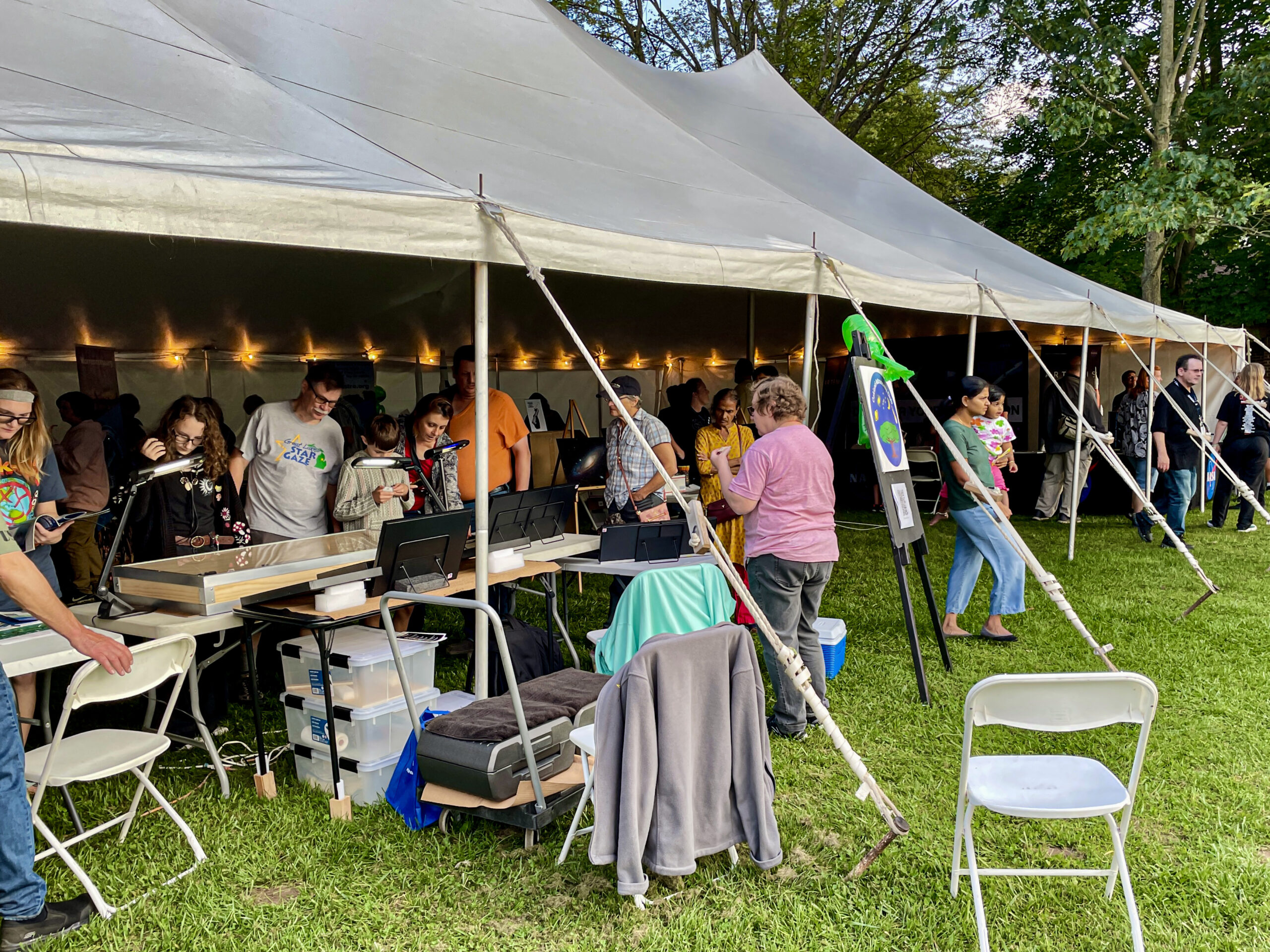
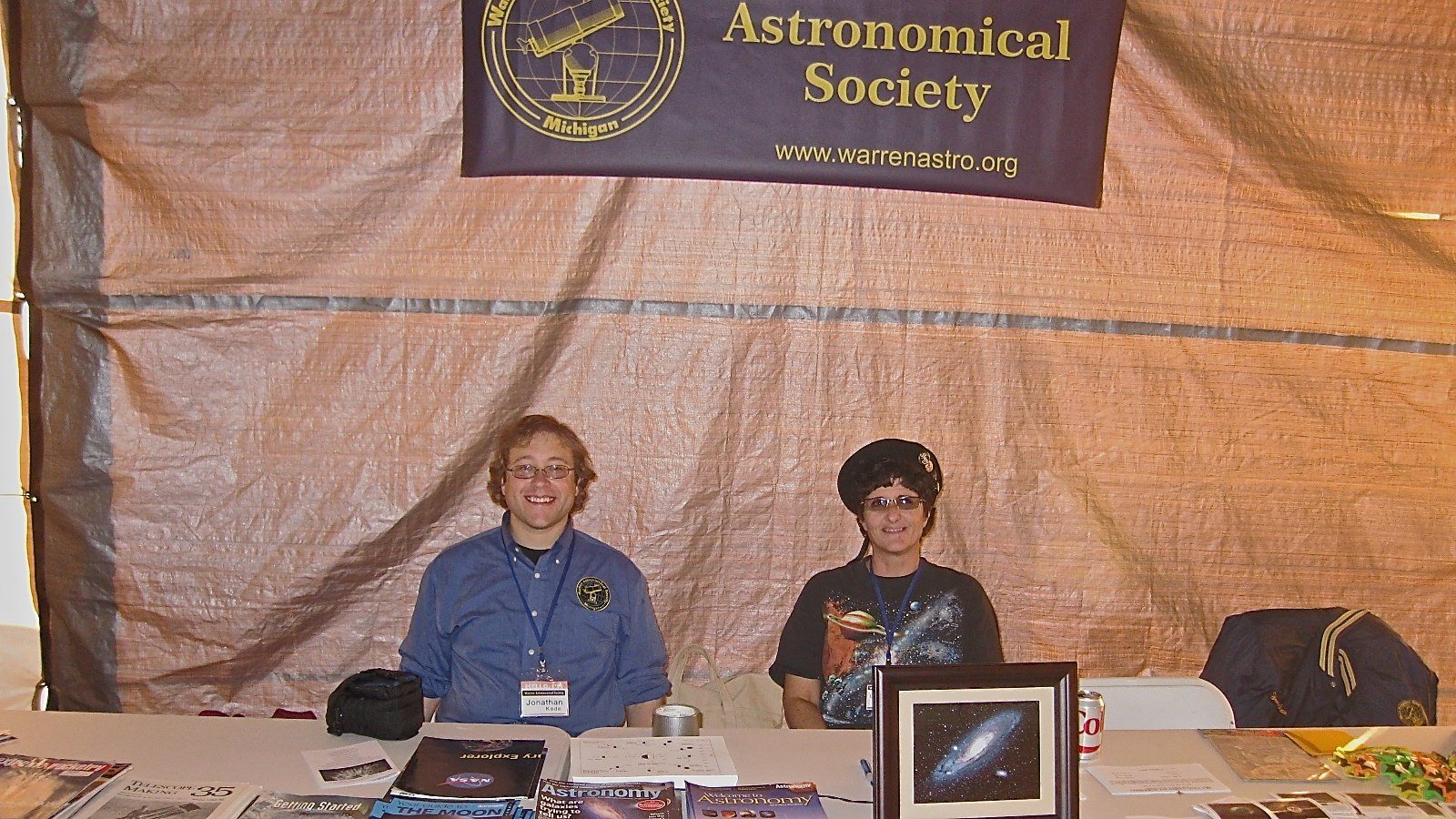
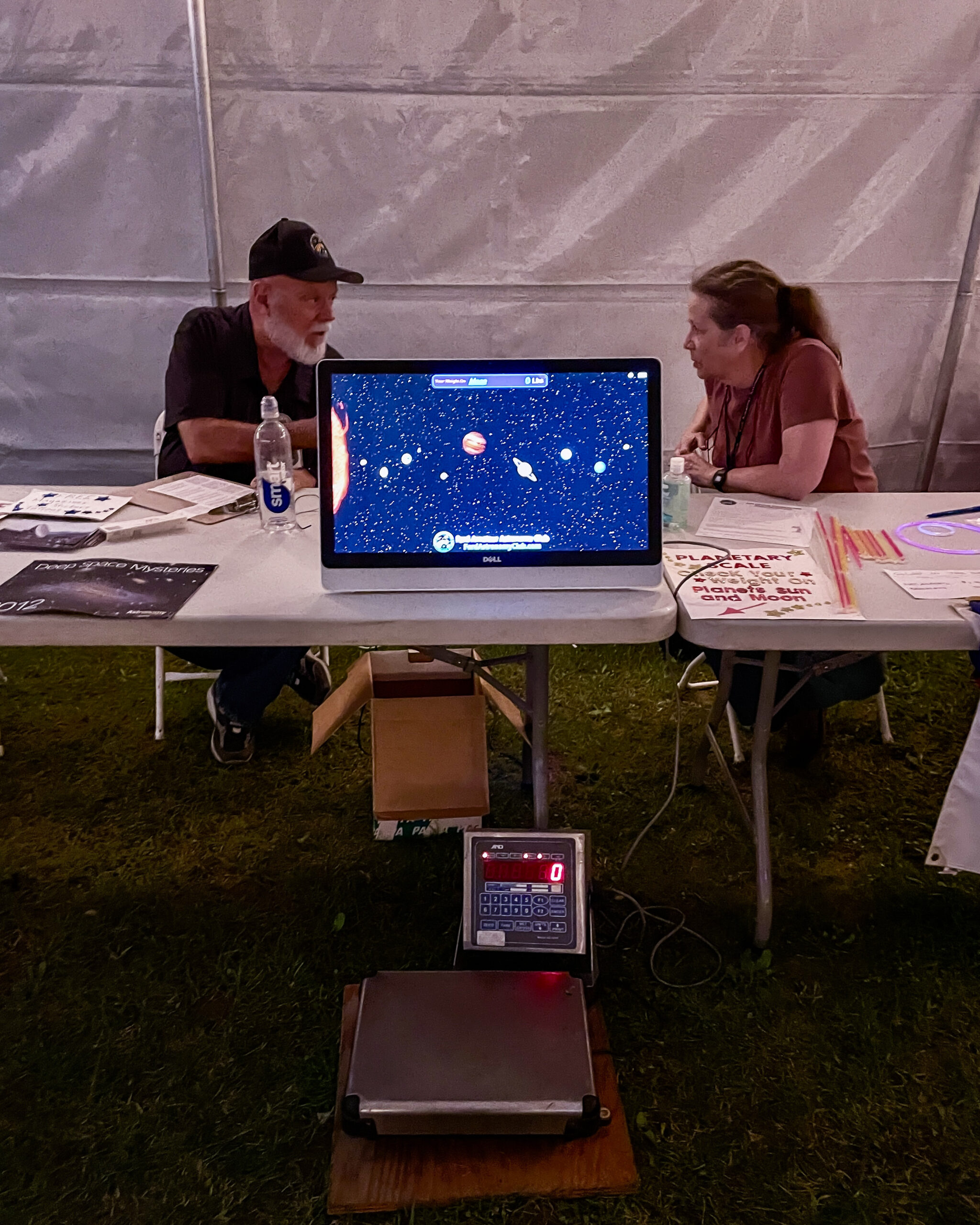
Several Astronomy clubs and event hosts will have tables with representatives, freebies, teacher resources, demonstrations and more! You can chat with local astronomers, and maybe schedule a lecturer to speak to your group.
Presentations and Hands-on
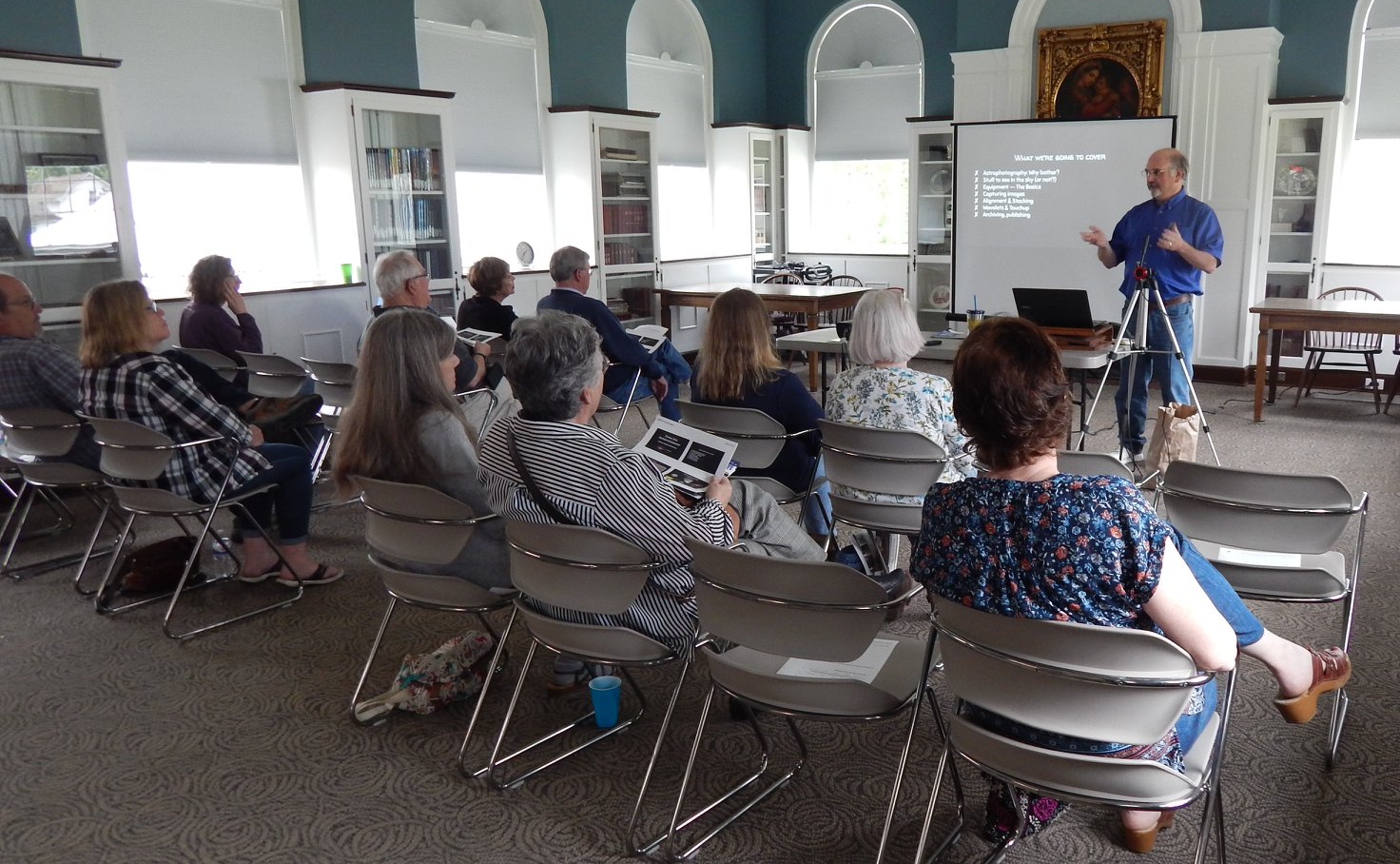
There will be a keynote lecture from a special guest both Friday and Saturday nights, as well as presentations by local astronomers – many of whom are volunteer NASA/JPL Solar System Ambassadors!
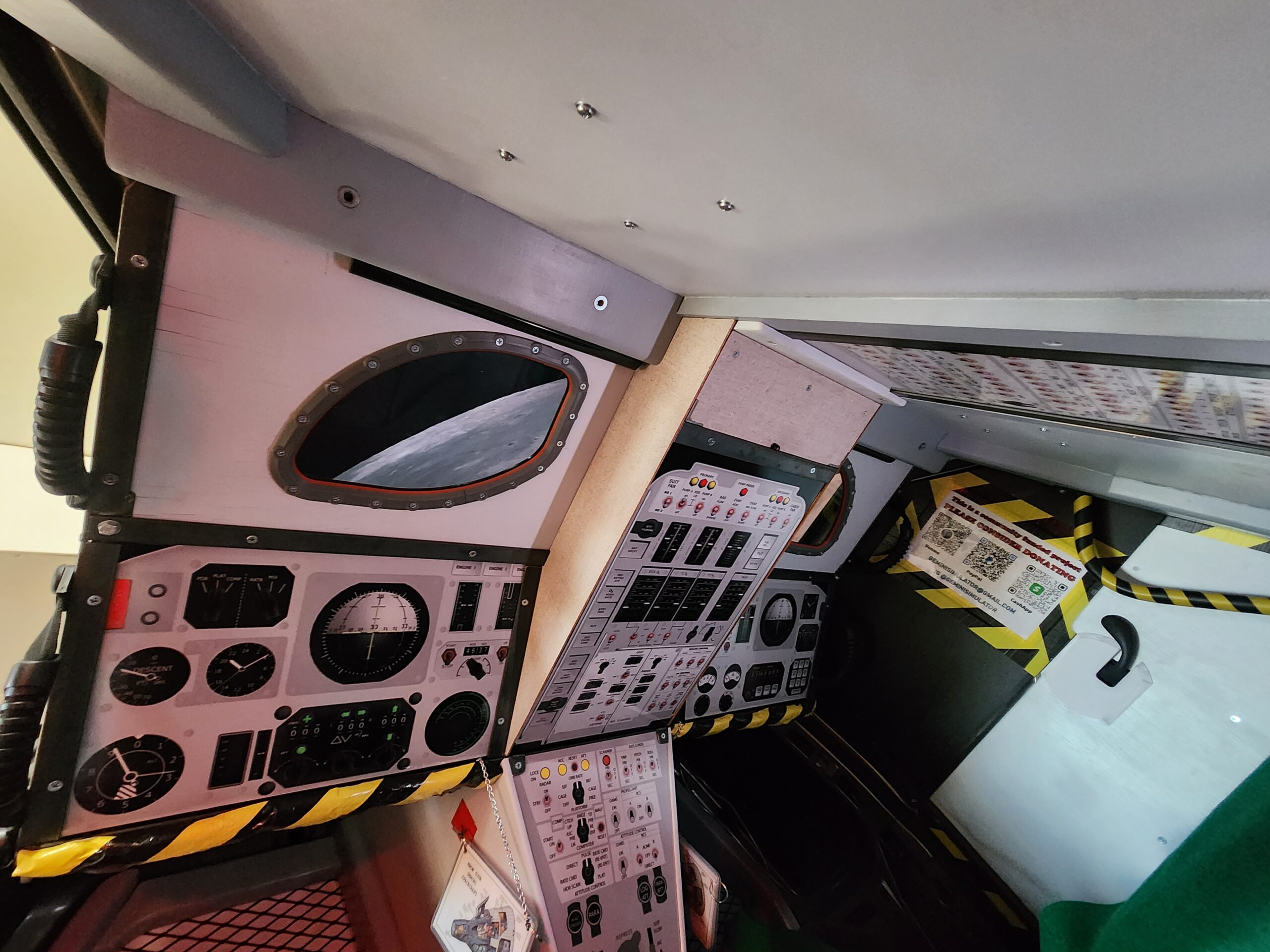
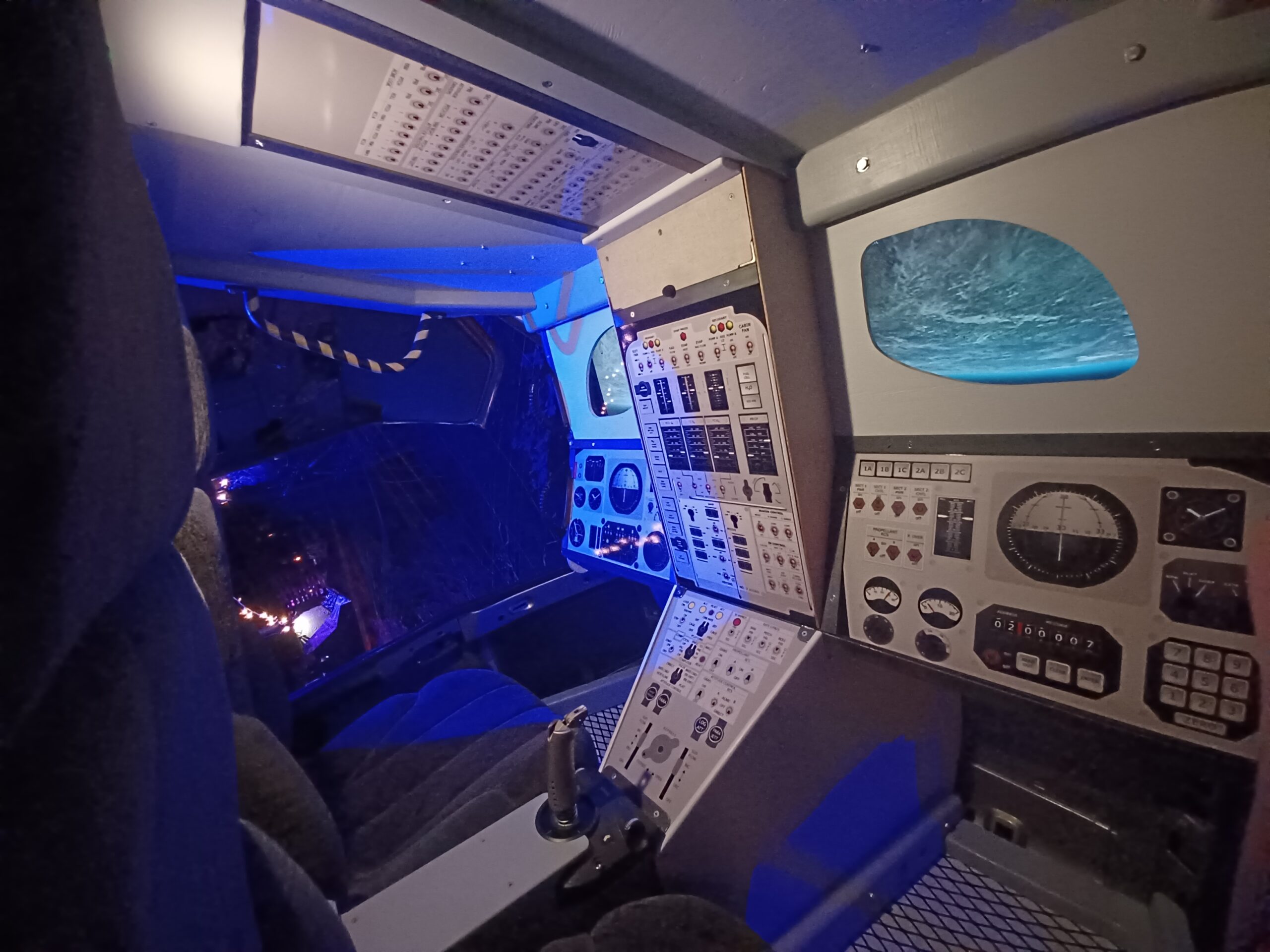
Gemini Simulator
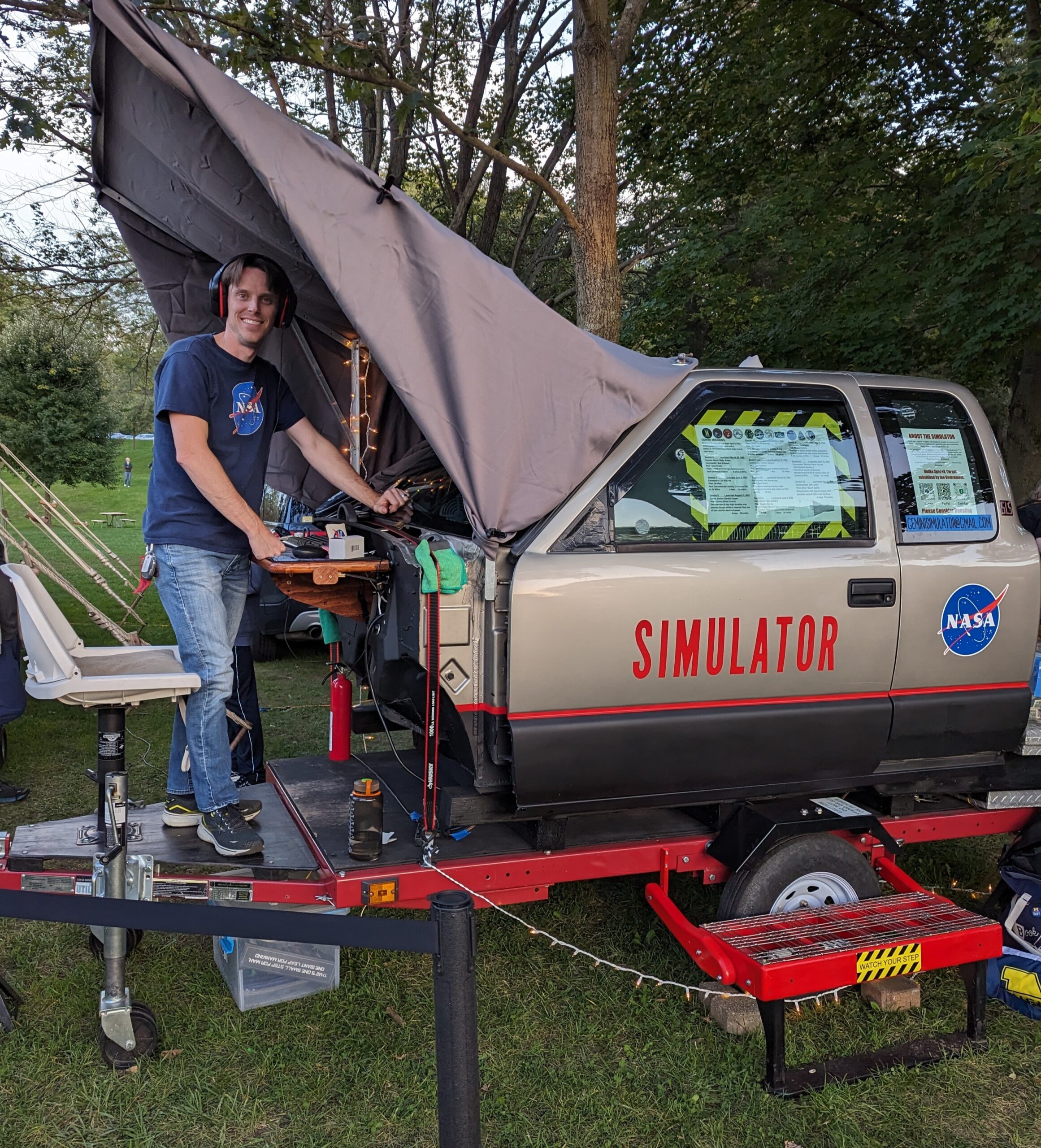
Jeff MacLeod will have his custom-built Gemini rocket simulator! This thing is amazing, and a huge hit wherever Jeff sets it up.
Simulator runs take about 5 minutes, and time is limited – so get your tickets early!
Food and Drink


Civil Air Patrol unit 437 will be providing pizza, soft drinks, water and snacks
Location
Island Lake State Park – 6301 Kensington Rd, Brighton, MI 48116
Site Plan

Cost and Parking
The Astronomy at the Beach event itself is free. However, it is located within a state park, so a Michigan State Park “Recreation Passport” on your license plate tag is required to get you in; a metro-park sticker is not adequate (since this is not a metro-park).
If you do not have a Recreation Passport, you can buy the annual sticker at the gate for $13 (plus a $5 convenience fee – because they really want you to buy this option when you renew your vehicle registration tags).
Previous Astronomy at the Beach events:
Astronomy at the Beach is brought to you by these fine organizations:







Moon and Artemis Educational Resources
Rik Hill, a frequent poster of beautiful lunar images, spoke to Warren Astronomical Society on March 2, 2026. During his talk, he mentioned several useful online tools for exploring the Moon. Here are several tools for exploring the Moon.
NASA Eyes on the Solar System

Recreate the Artemis II mission in NASA’s Interactive 3D Eyes on the Solar System web app!
Lunar/LROC Quickmap
Lunar/LROC is a web-based, zoomable Moon map; you start viewing the full disk of the Moon, and you can mouse-wheel zoom all the way down to the boulder at the top Tycho crater’s central mountain! You can spend hours scrolling over the Moon, looking at surface features!

There are several named destinations you can fly-to, including: craters, rilles and Apollo landing sites.
Website: https://quickmap.lroc.im-ldi.com
This Lunar map features over 1.2 Petabytes of data; you can explore Wide Angle Camera global mosaics and Narrow Angle Camera observations. It also features data from Clementine, Chandrayaan-1, and Kaguya missions.
Hidden away in a three-dot menu at the top-left are similar maps for Mars, Mercury and Venus!
Virtual Moon Atlas
The other tool Rik mentioned is the Virtual Moon Atlas, a downloadable app for Windows and Linux. This tools allows you to actually study the Moon – it has scientific overlays and data from several different missions. Surface features can be searched, and many have a Wiki.

The app has a historical textures overlay with drawings from several astronomers throughout the centuries.

Website: https://ap-i.net/avl/en/start
NASA’s Moon Phase and Libration Page
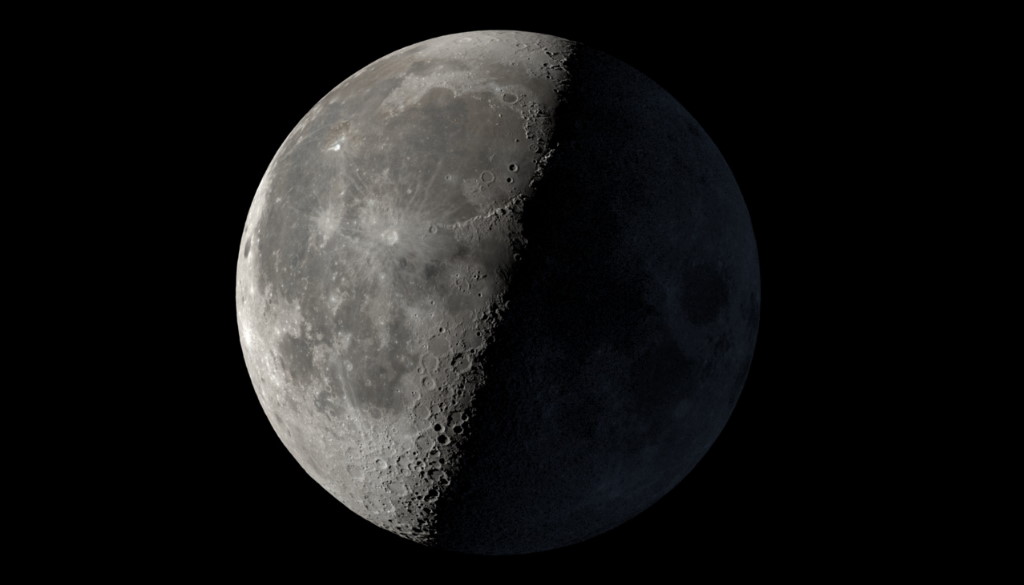
NASA’s Moon Phase and Libration Page brings up an image of the current phase of the Moon, with tons of data in an info panel. You can change the date and time to whatever you wish, and toggle north/south up, for you preferred hemisphere.
You can click on the image to download a high-resolution TIFF image, with surface features labeled – which is great for observing!
Scrolling down the page, there are an absolute ton of downloadable images, animated diagrams and videos. The site has a very nice set of images of the named phases with images from the Lunar Reconnaissance Orbiter; you can download huge 3K x 3K images, suitable for large-scale printing and plastering on classroom walls!
Website: https://svs.gsfc.nasa.gov/5587
NASA Daily Moon Guide
NASA’s Daily Moon Guide has an interactive map for observing the Moon each day of the year, with suggested observing targets for unaided eye, binoculars and telescopes.

Website: https://science.nasa.gov/moon/daily-moon-guide
This video shows Lunar libration – an apparent “wobbling” motion of the Moon which allows observers on Earth to see about 59% of the Moon’s surface over the course of a month.
Astronomical League Moon Observation Programs

If you’re going to be looking at the Moon anyway, you might as well get an observing award for it!
The Astronomical League (AL) has several different Moon Observation Programs, requiring observing of targets you might take for granted, in different lighting conditions with eyes-only, binoculars and telescopes. Observations must be logged and submitted to the AL. One program requires you to sketch the Apollo landing sites – which is pretty cool!
Lunar Observing Program
Lunar II Observing Program
Lunar Evolution Observing Program
Website: https://www.astroleague.org/
Association of Lunar & Planetary Observers (ALPO)

ALPO is an international organization devoted to study the Sun, Moon, planets, asteroids, meteors, and comets. Their goals are to stimulate, coordinate, and generally promote the study of these bodies using methods and instruments that are available within the communities of both amateur and professional astronomers.
The ALPO collects and analyzes observations of various Solar System bodies and associated phenomena and publishes detailed reports concerning these bodies in its quarterly publication the Journal ALPO, otherwise known as The Strolling Astronomer.
Website: https://alpo-astronomy.org
Moonbase Alpha (Game, 2010)

Moonbase Alpha is a simulation video game based on potential Moon base programs. It was developed in conjunction with NASA Learning Technologies. The game was released on July 6, 2010, as a free download on Steam. At the Interservice/Industry Training, Simulation and Education Conference in 2010, the game won the top honors in the government category of the Serious Game Showcase & Challenge.
Website: https://store.steampowered.com/app/39000/Moonbase_Alpha
Note: This has nothing to do with the TV series Space: 1999, which had a Moonbase named Moonbase Alpha.
Lunar Horizons (Game, 2024)

Lunar Horizons is an educational Fortnite Creative map created by Epic Games, the European Space Agency (ESA), and Hassell. Launched in April 2024, it tasks players with building a lunar habitat at the moon’s south pole while learning about space exploration and ESA missions.
Article: ESA launches Lunar Horizons Moon mission game in Fortnite
NASA Eclipse Website
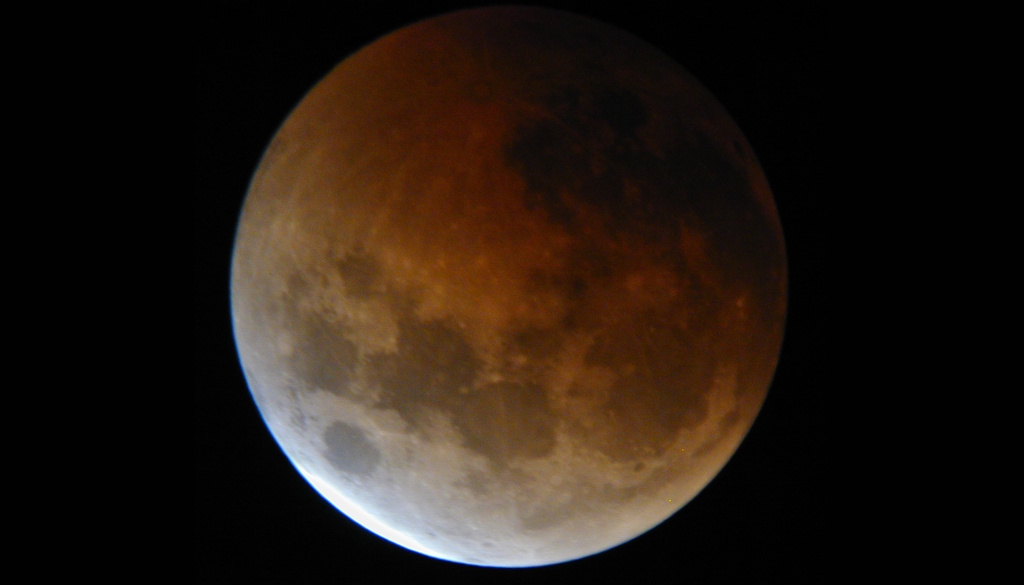
Your one-stop site for dates and times of solar and lunar eclipses. Lunar eclipses have a PDF with timings and graphics showing how the Moon will move through Earth’s shadow, and a map of where the eclipse will be visible. Solar eclipses have a GIF with timings and a graphic showing the path of totality across the Earth.
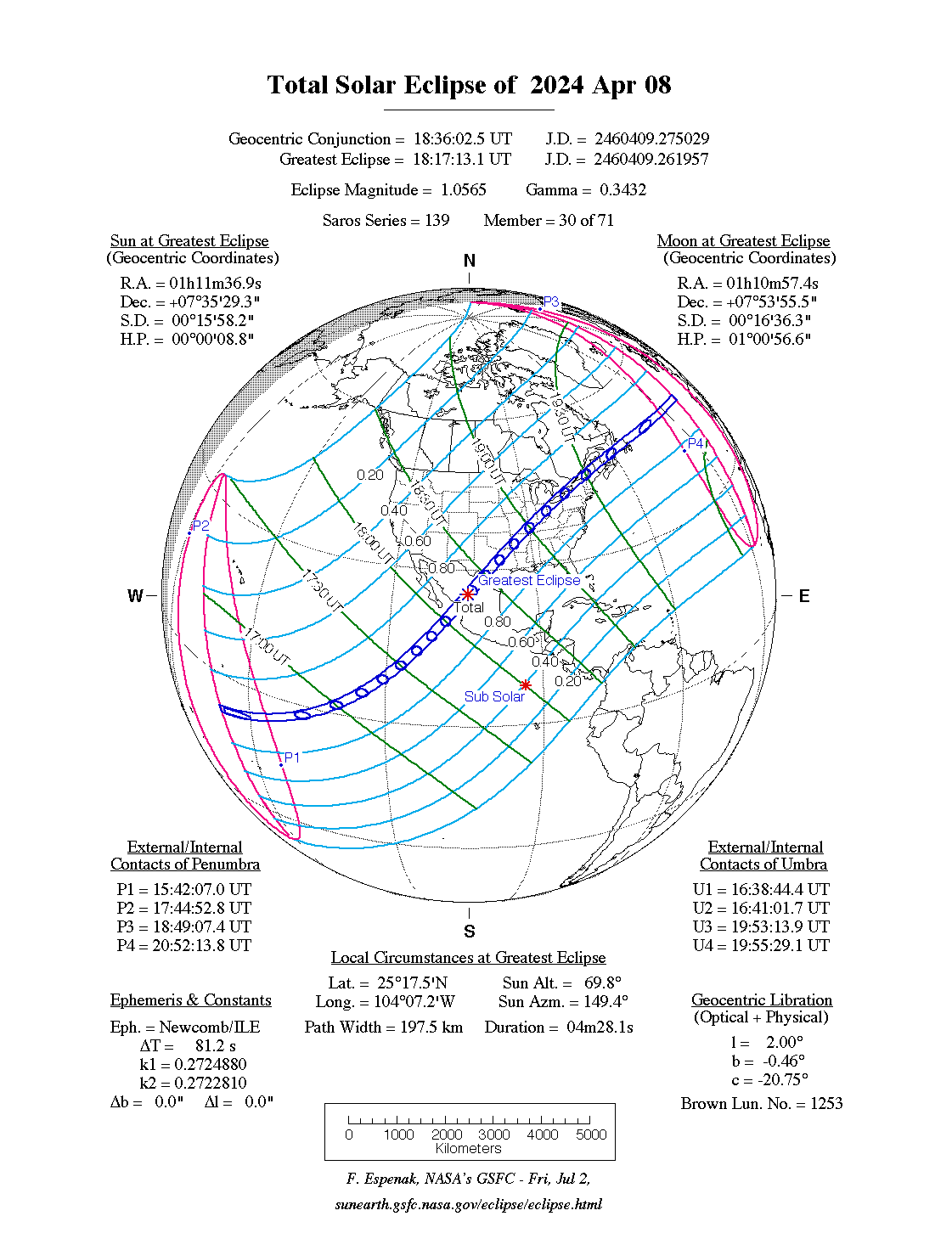
The site also lists planetary transits across the Sun for centuries into the future; the next Mercury transit will be in 2032, the next Venus transit won’t be until 2117. I was lucky enough to see the last of each of these events!
Website: NASA Goddard Space Flight Center Eclipse Web Site
Total Lunar Eclipse Seen From the Moon
Firefly’s Blue Ghost Mission 1 lunar lander captured this image of a total solar eclipse as seen from the Moon’s surface. Taken on March 14, 2025, the image shows the Sun about to emerge from totality behind the Earth.
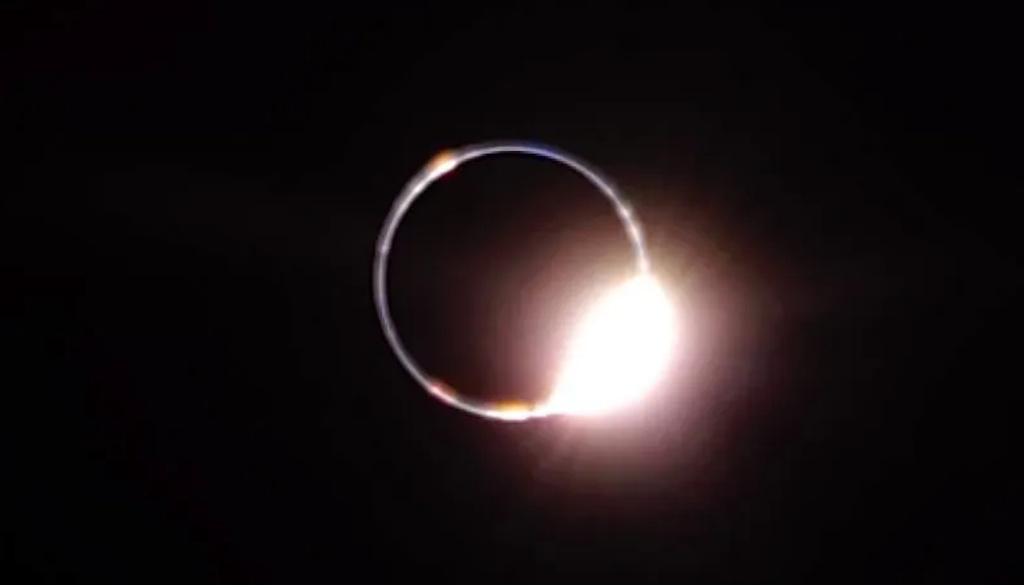
Article: NASA Science Data Received, Blue Ghost Captures Eclipse From Moon
The educational tools section is an edited version of a post on the Vatican Observatory Foundation website by Bob Trembley.